Crane hire guides
Plain-English guides to choosing, planning and paying for a crane lift in the UK.
Crane types
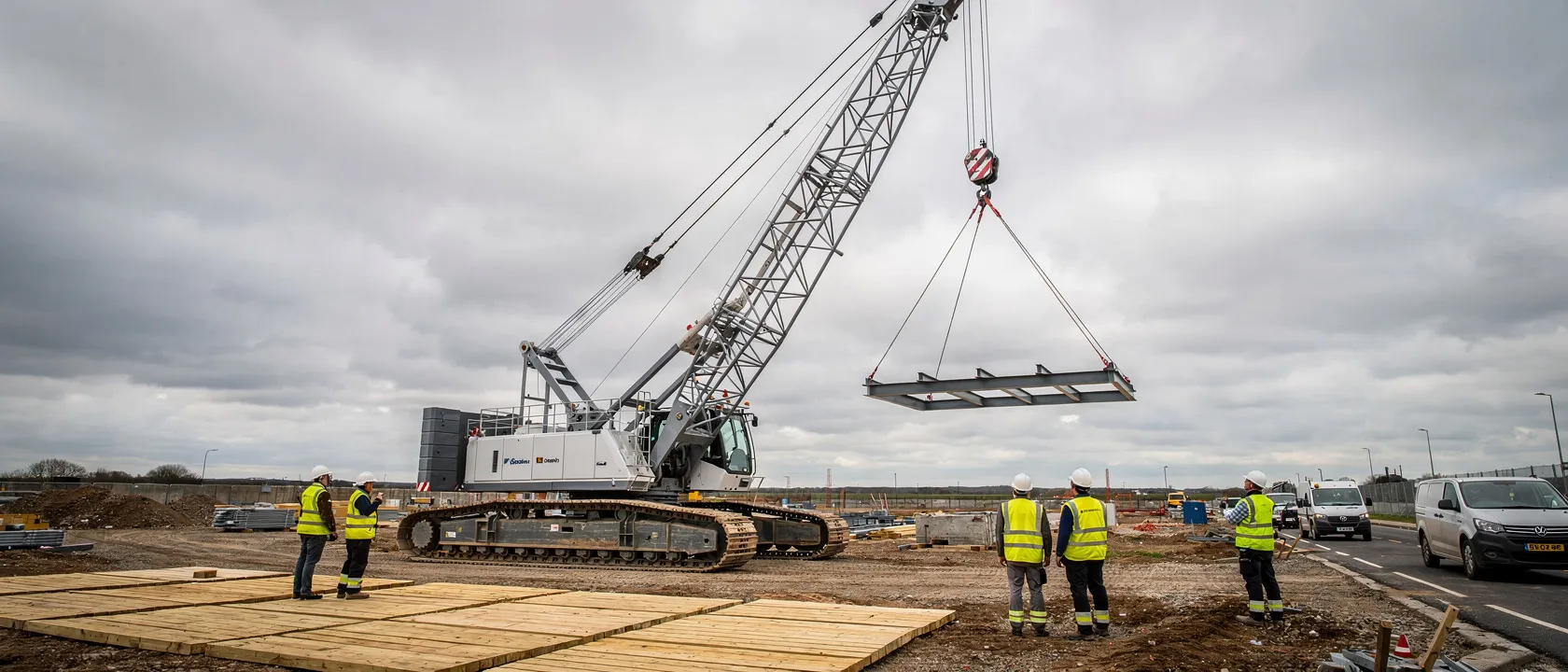
Crawler cranes explained: the heavy lifters of industrial construction
What crawler cranes are, how telescopic and lattice boom crawlers differ, where they are used in heavy industrial construction, and what hiring one involves.
Updated 19 November 2026

Luffing jib cranes: why they rule city-centre construction
How luffing jib tower cranes work, why they suit tight city sites, how they help with oversail rights and multi-crane sites, and their trade-offs.
Updated 19 November 2026
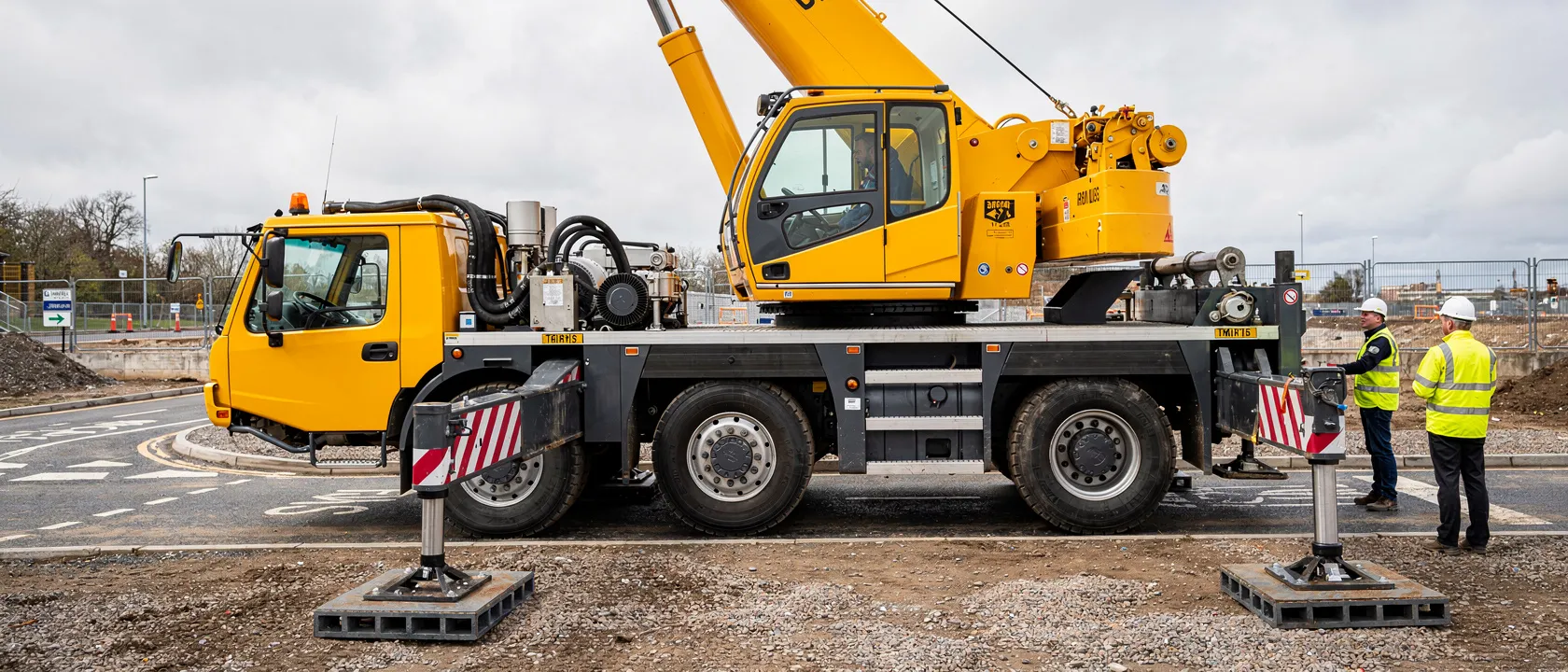
Mobile cranes explained: types, sizes and uses
How mobile cranes work, the different types (all-terrain, city, truck-mounted, mobile tower), typical sizes and how to pick the right one for a UK site.
Updated 19 November 2026
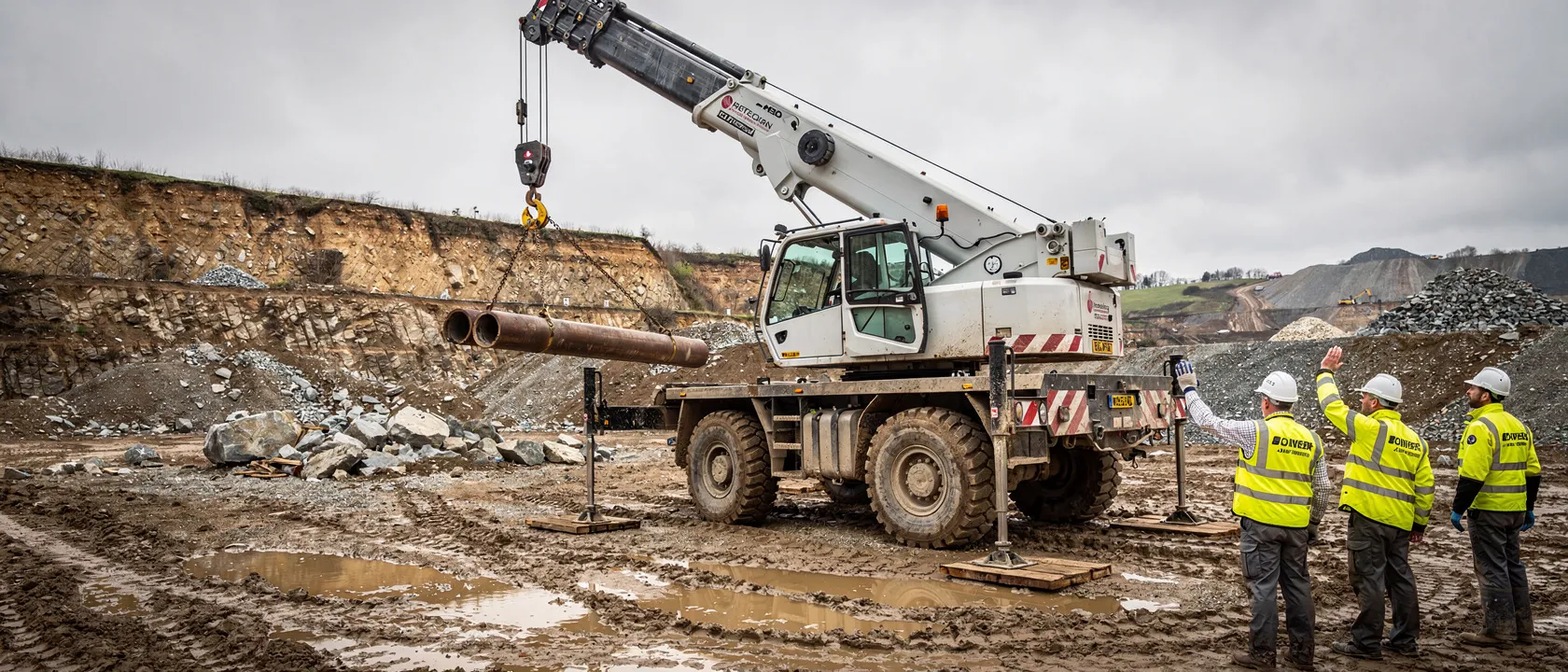
Rough terrain cranes: what they are and when to use one
What makes rough terrain cranes different from all-terrain and crawler cranes, their typical sizes and uses, and why UK projects usually choose alternatives.
Updated 19 November 2026

Tower cranes in high-rise construction: how they work, and how they stay safe
How tower cranes build high-rise buildings: foundations, climbing, ties, lifting operations, wind limits, and the safety controls that keep tall sites working.
Updated 19 November 2026
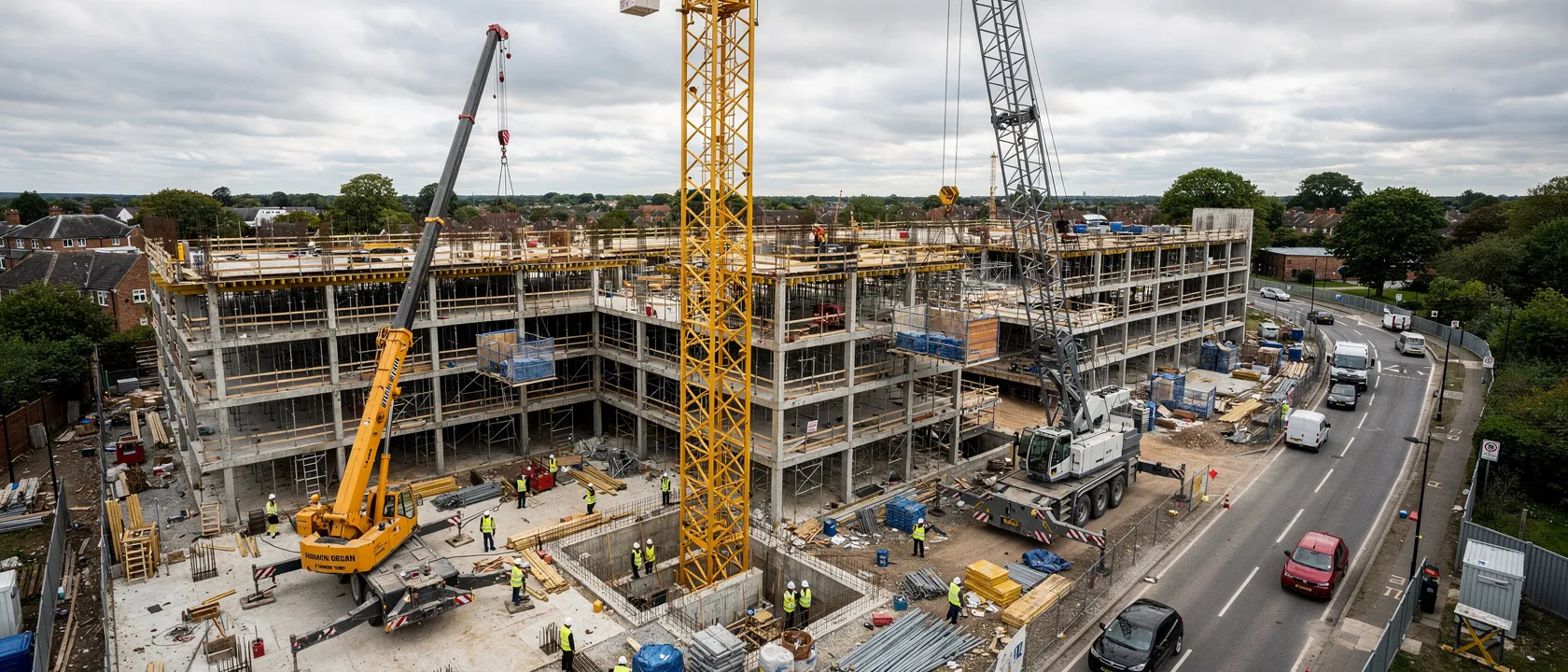
Types of crane: specifications and uses
A plain guide to the main types of crane used in the UK: mobile, tower, crawler, lorry, spider and more, with typical capacities, heights and best uses.
Updated 19 November 2026

Types of tower crane: hammerhead, flat-top, luffing jib, self-erecting and mobile
The differences between hammerhead, flat-top, luffing jib, self-erecting and mobile tower cranes, with typical sizes and the sites each one suits best.
Updated 19 November 2026
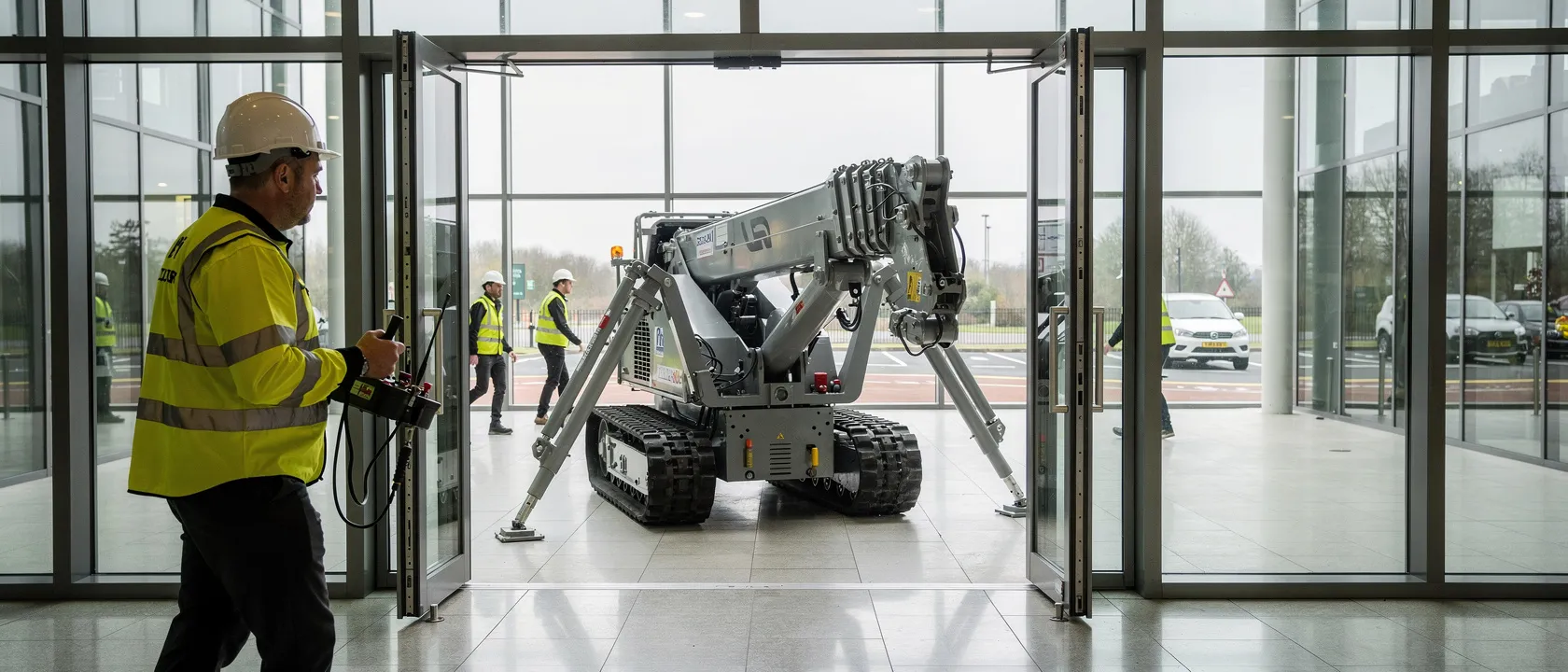
What is a spider crane, and how does it work?
What a spider crane is, how it sets up and lifts, typical sizes and capacities, the jobs it suits, and what to check before hiring one for your project.
Updated 19 November 2026
Planning a lift
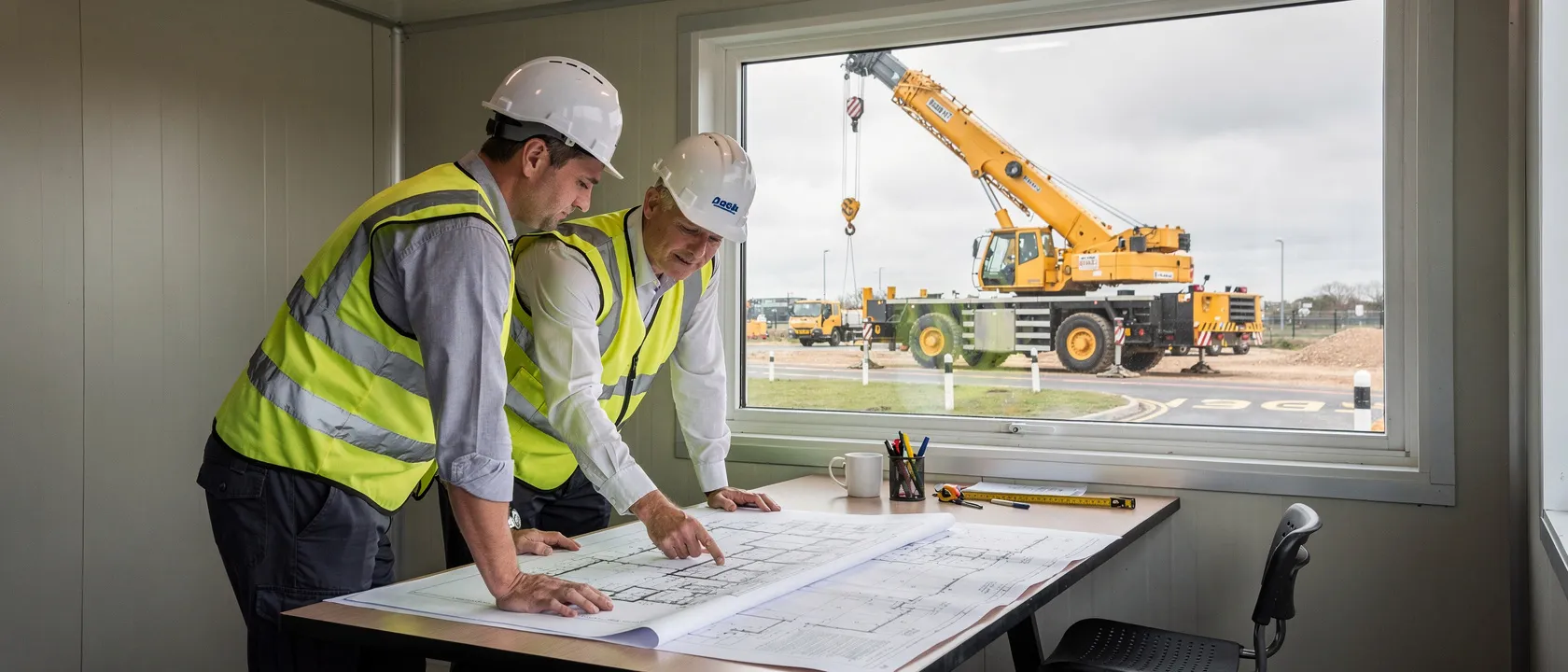
How to choose the right crane, and the right crane hire company
A step-by-step guide to choosing the right crane for your project: load, radius, access and ground, plus the questions to ask any crane hire company.
Updated 19 November 2026
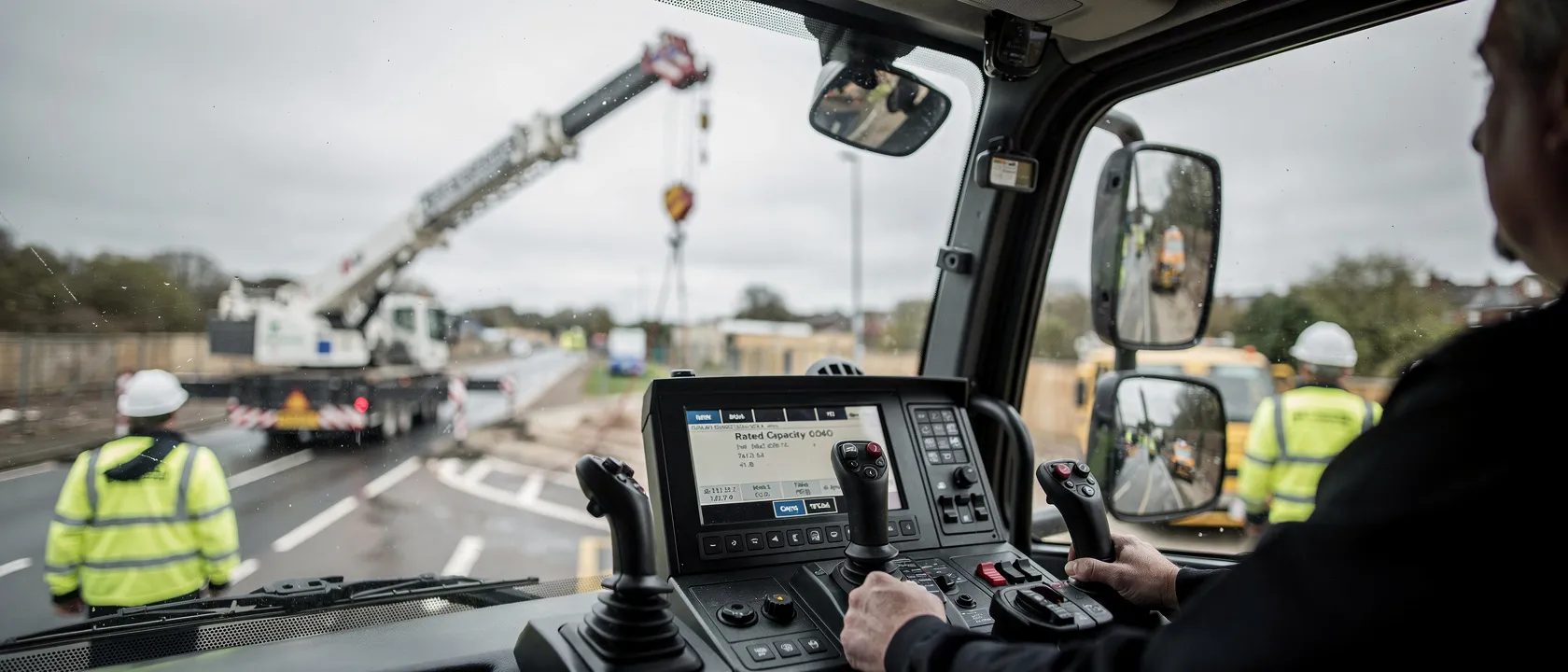
How to read a crane load chart
A step-by-step guide to reading a crane load chart: radius, boom length, counterweight and outrigger set-up, deductions for rigging, and a worked example.
Updated 19 November 2026
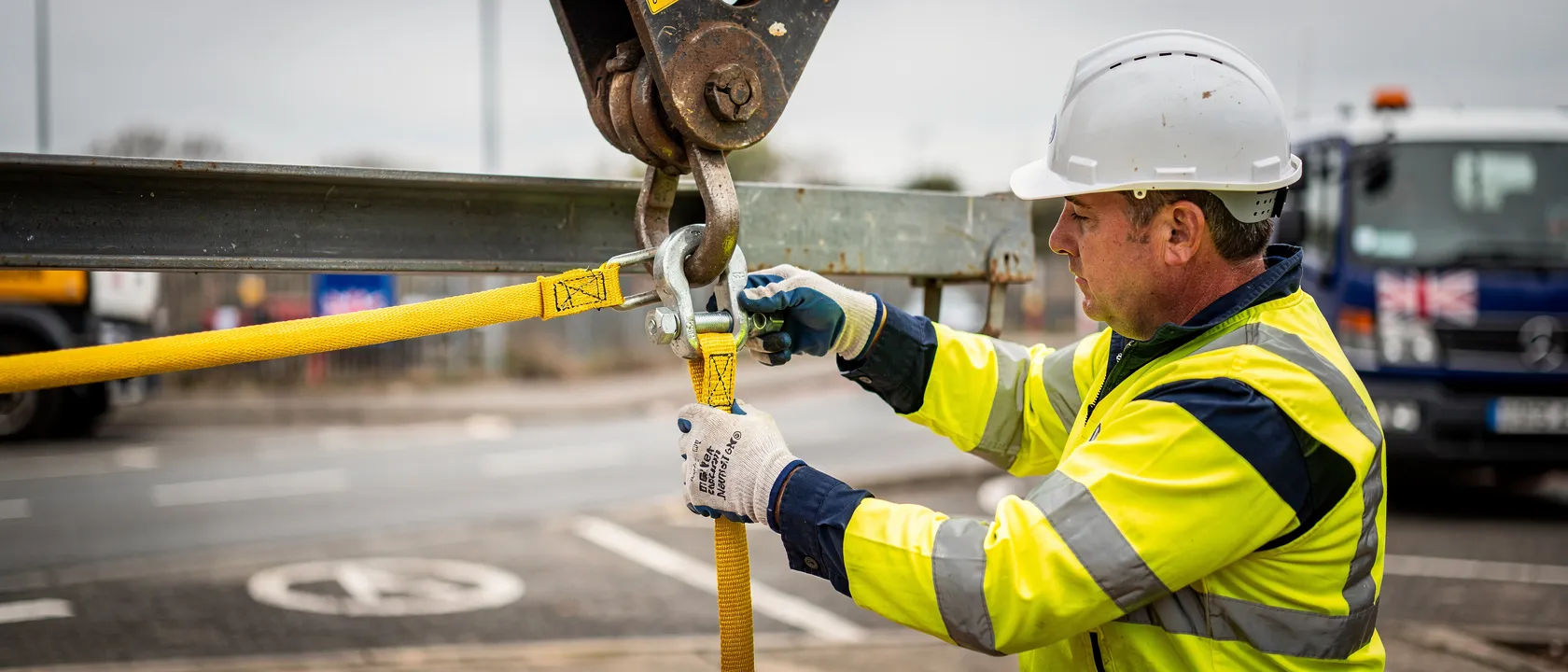
How to work out a safe lifting load for a crane
How to calculate a crane's net capacity and a safe working load: rated capacity, load moment, rigging deductions, margins, wind and ground conditions explained.
Updated 19 November 2026
Prices and hiring
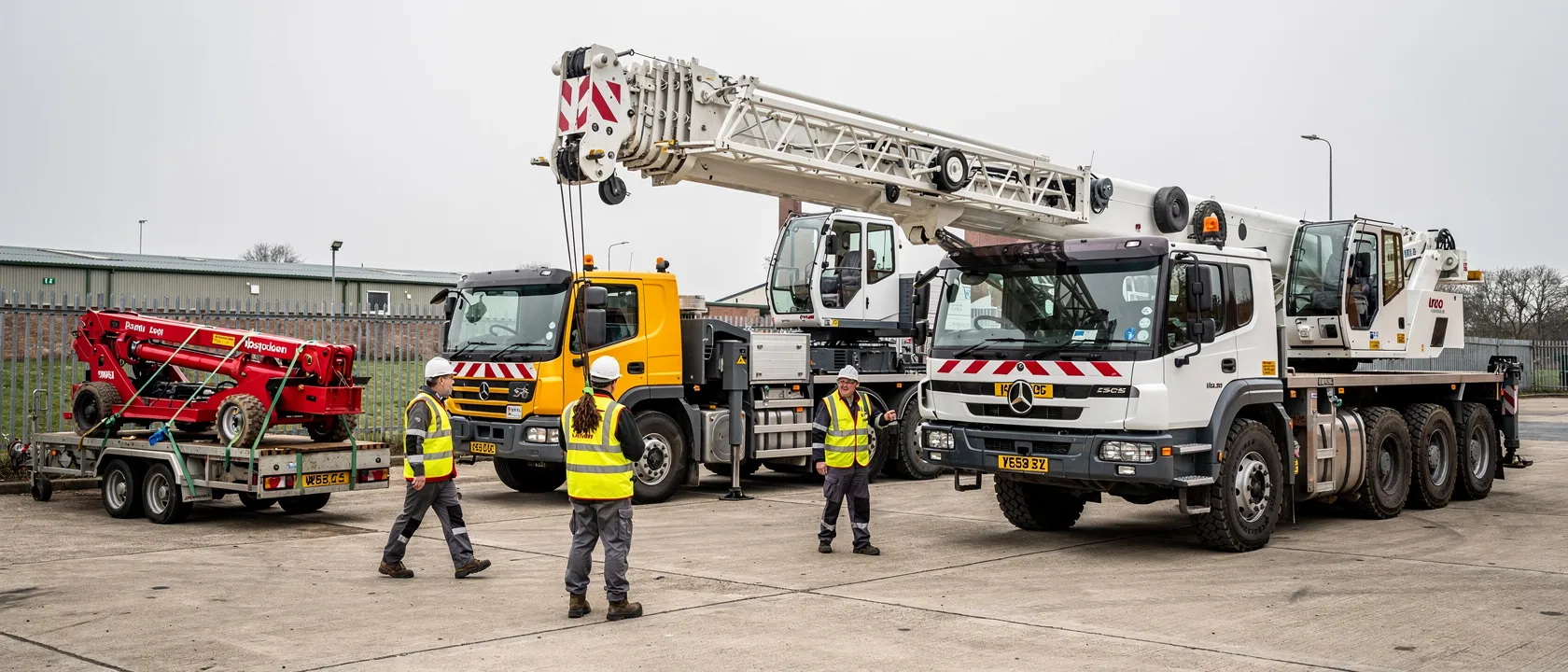
Crane hire prices in the UK: what it really costs
Typical UK crane hire prices for spider cranes, HIABs, mobile, tower and crawler cranes, plus the extras that change the price and how to keep costs down.
Updated 19 November 2026
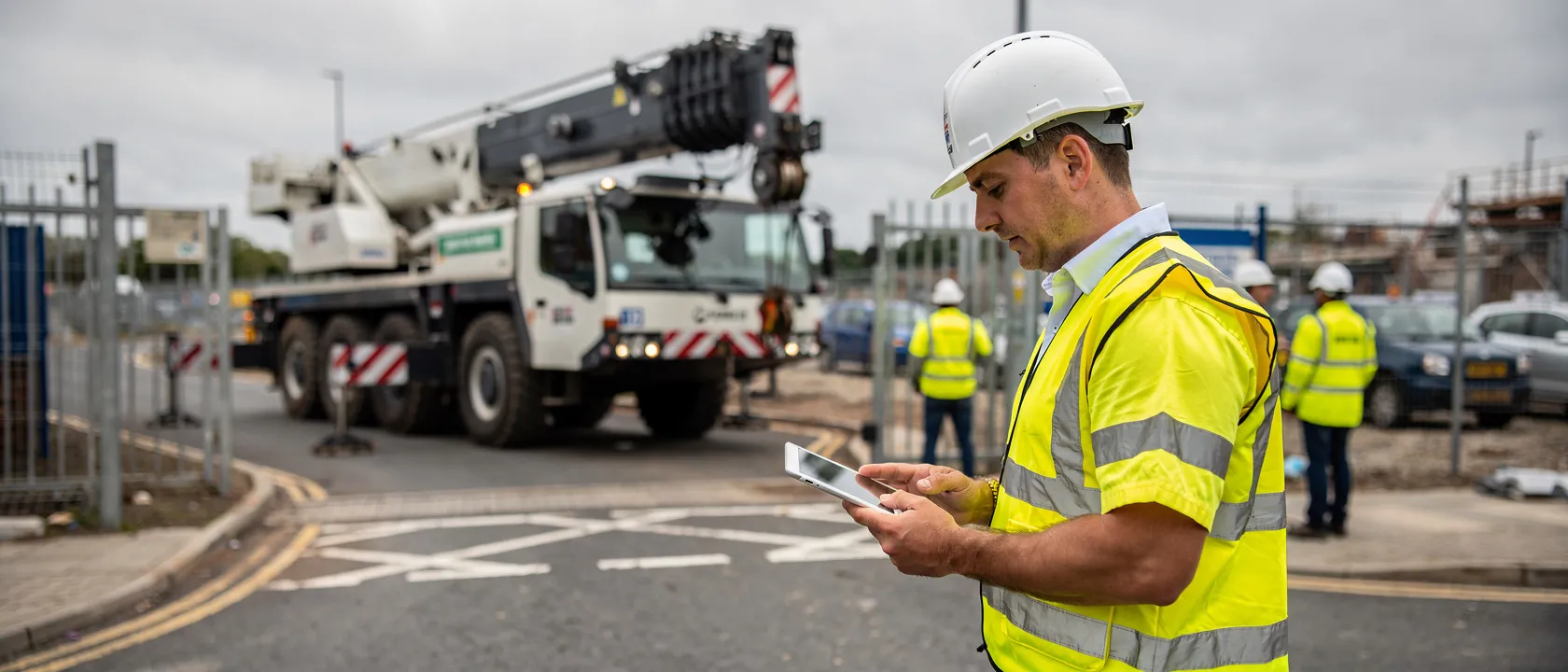
Crane hire vs buying a crane: which makes sense?
Should you hire a crane or buy one? Compare costs, compliance, utilisation and flexibility, and see when owning a crane actually pays off for a UK business.
Updated 19 November 2026
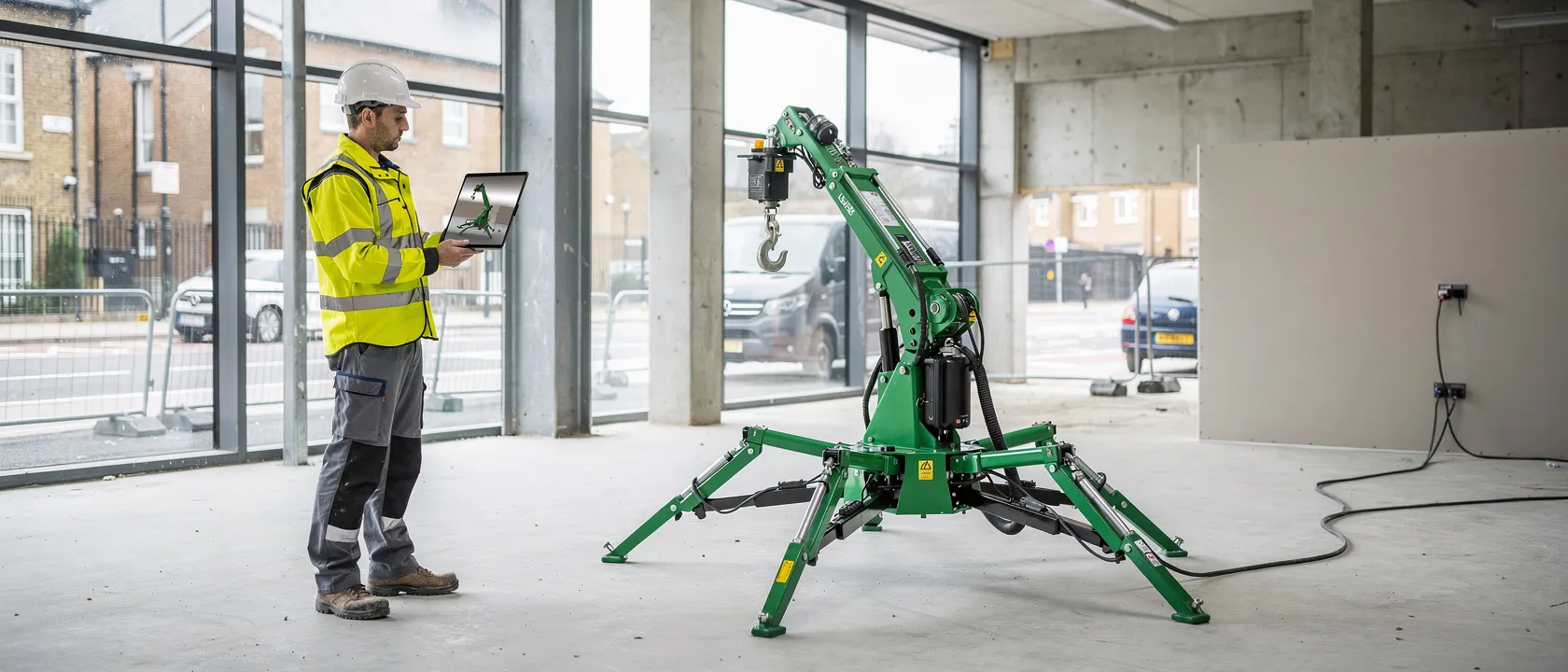
How technology is changing crane hire
Electric and HVO-powered cranes, 3D lift planning, telematics and anti-collision systems: the technology changing UK crane hire and what it means for you.
Updated 19 November 2026
Safety and regulations
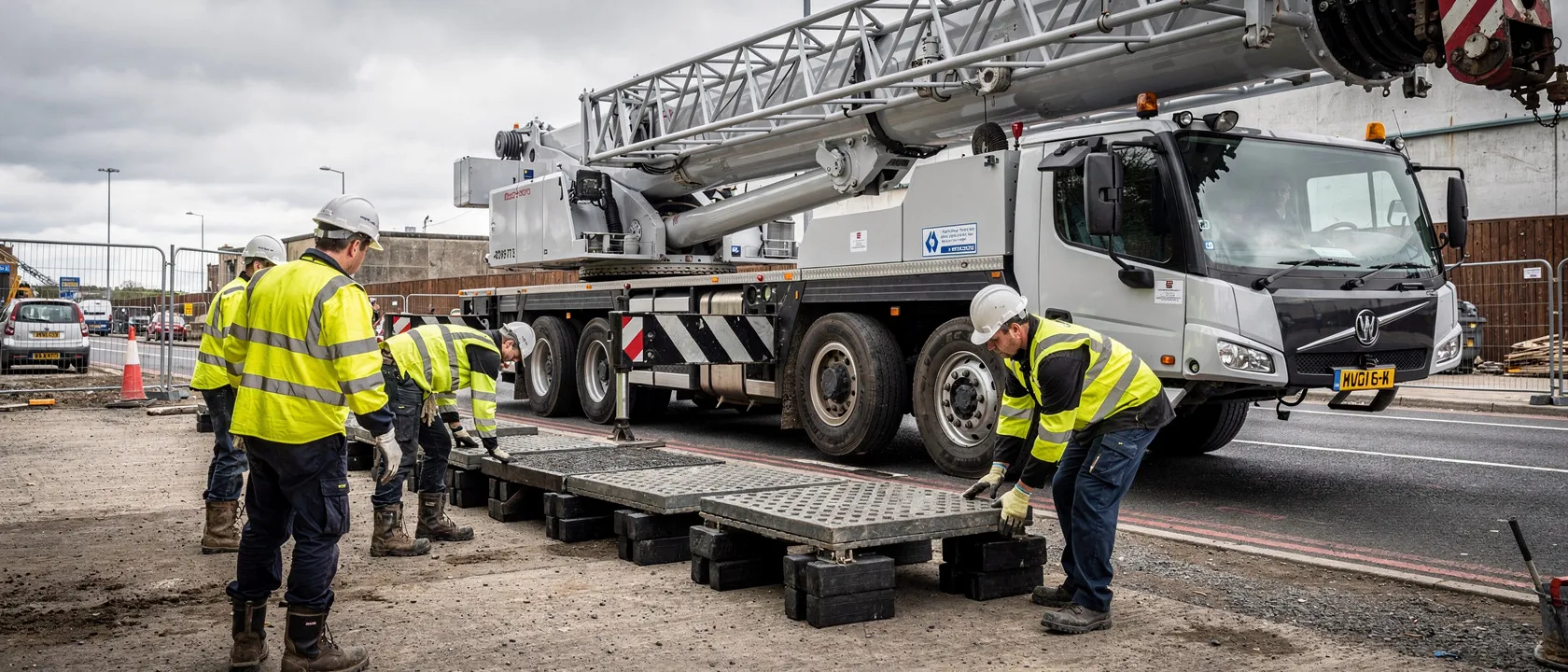
Crane safety equipment: what it is and why it matters
The safety equipment that protects crane lifts: rated capacity limiters, overhoist and wind devices, outrigger mats, exclusion zones and PPE, and why each matters.
Updated 19 November 2026
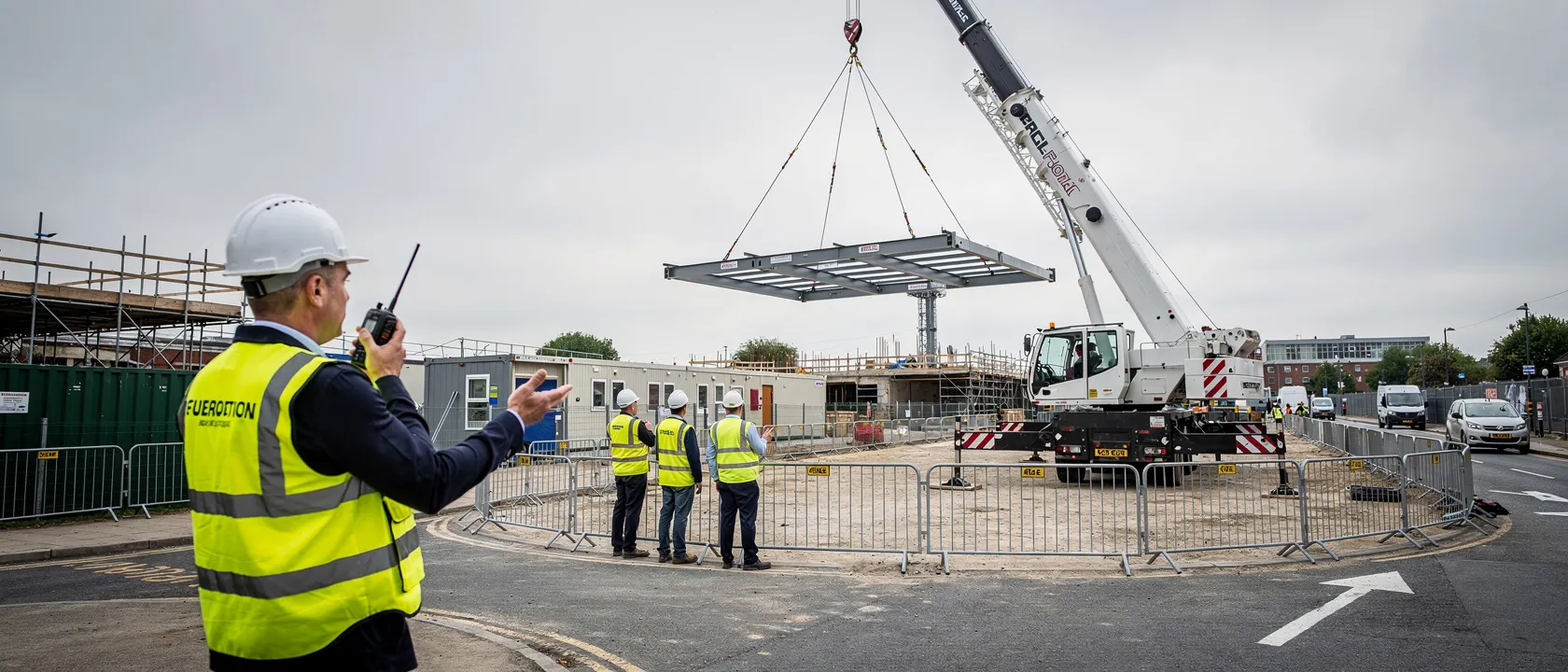
Crane safety regulations in the UK: who is responsible for what
The UK rules for hiring and using cranes: LOLER, PUWER, CDM 2015, BS 7121 and CPA terms, plus who is responsible for what on a crane hire or contract lift.
Updated 19 November 2026
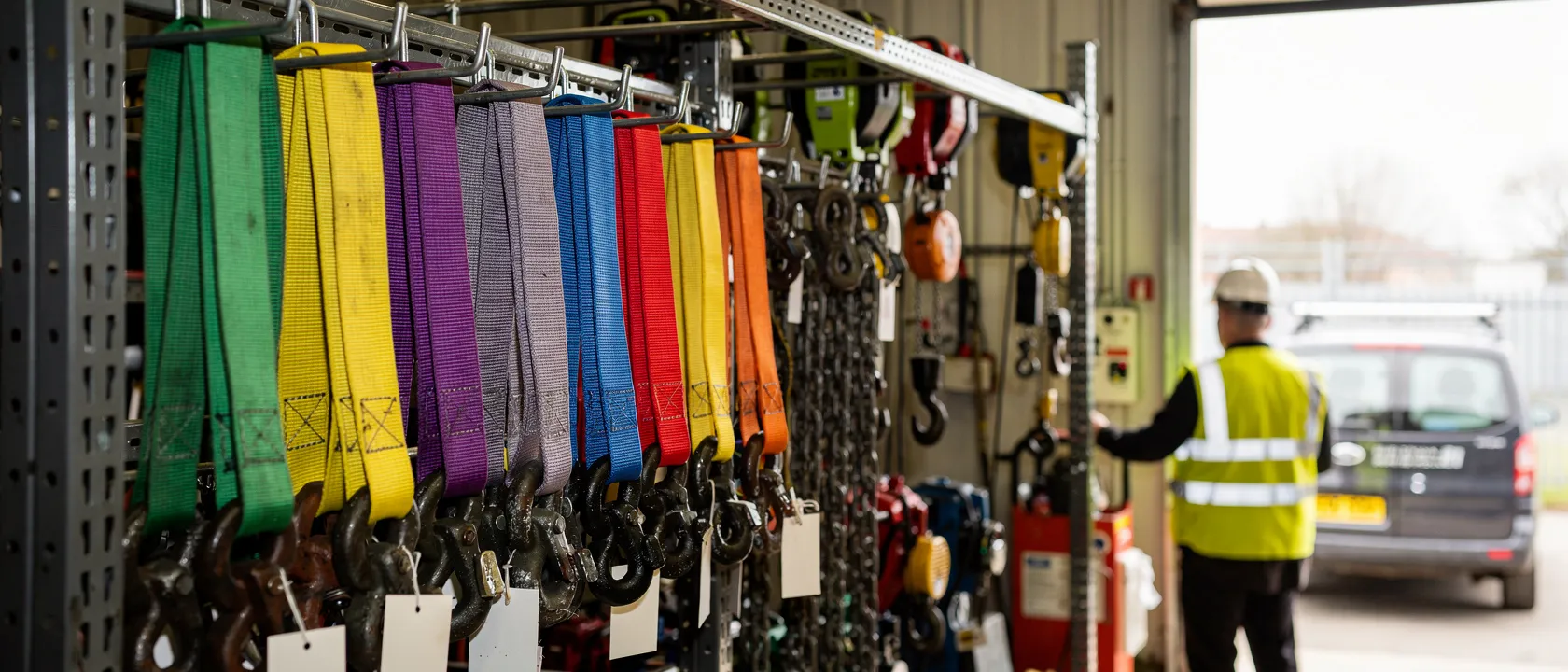
How to inspect and maintain crane safety equipment and lifting gear
Best practice for inspecting, cleaning, storing and retiring slings, shackles and other lifting gear, plus LOLER thorough examination intervals and records.
Updated 19 November 2026
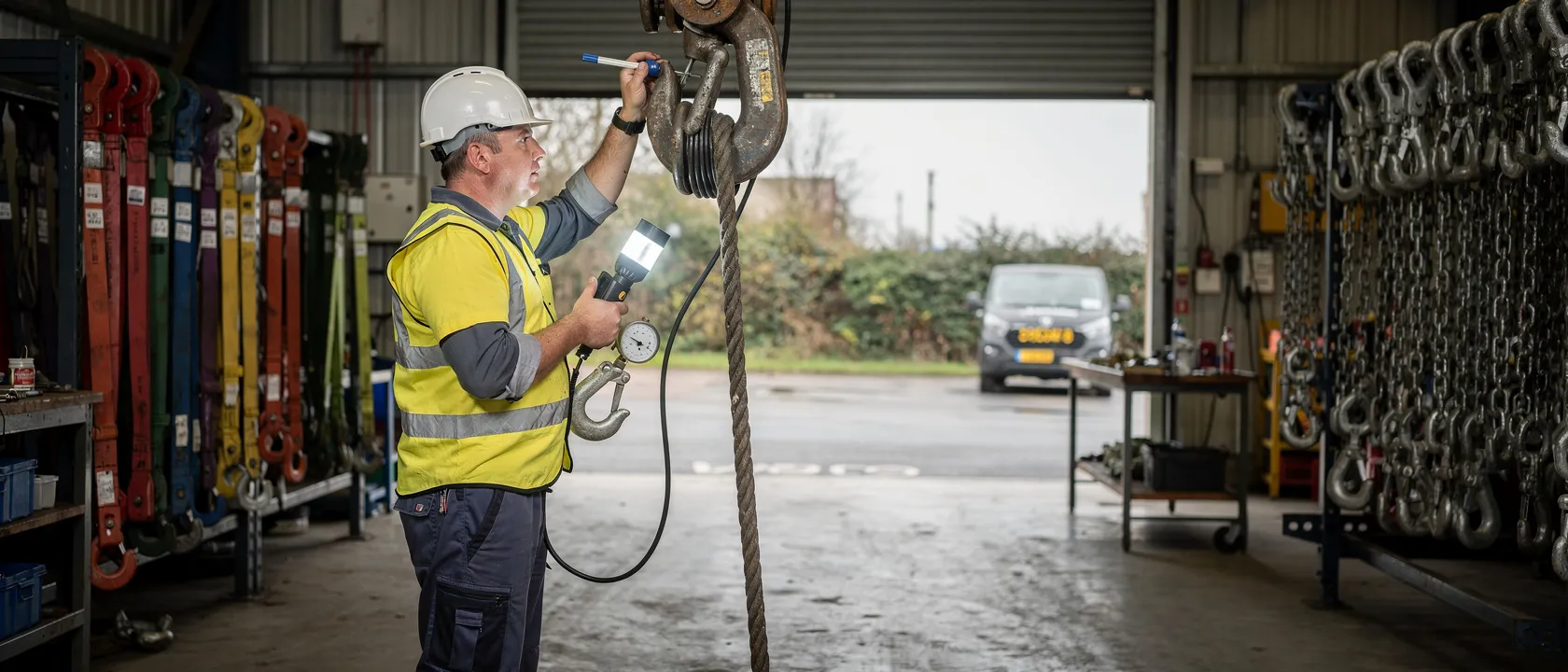
How UK law and international standards shape crane safety equipment
How UK law, British and European standards (BS EN 13000, 14439, 12999) and ISO standards shape the design, marking and inspection of cranes and lifting gear.
Updated 19 November 2026
Free, no-obligation quote
Tell us about your lift
Send the basics and we will come back within one working day with the right crane and a fixed price.
- Correctly sized crane, so you do not pay for tonnage you do not need
- Permits and road closures flagged up front
- One point of contact from quote to lift day
Thank you, your enquiry is in
We will check the lift details and come back to you with a fixed quote within one working day. A copy is on its way to your inbox.